

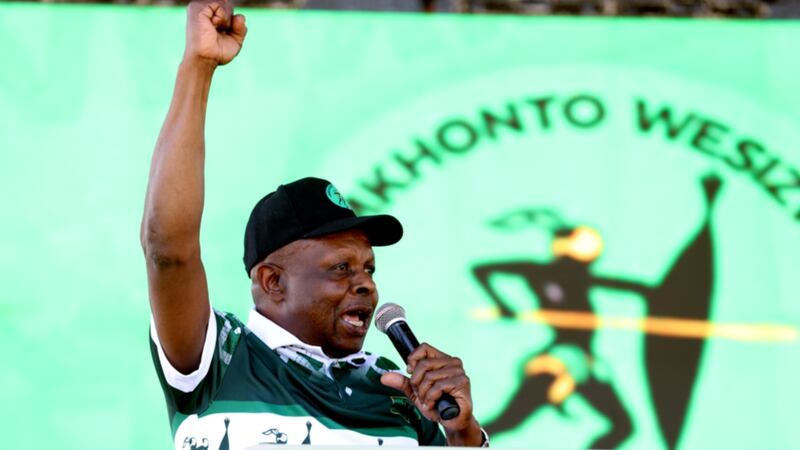
South Africa’s judiciary experienced several historic milestones in 2024, including the country’s first judicial impeachments in the post-apartheid era. In February, Parliament voted overwhelmingly to remove Western Cape Judge President John Hlophe and Gauteng High Court Judge Nkola Motata. Their removals were formalised in March by President Cyril Ramaphosa.
The impeachments followed a lengthy process, including 15 years of litigation and a last-minute court case by Hlophe, demonstrating the constitutional mechanisms for holding judges accountable.
Hlophe quickly returned to public life as a Member of Parliament for the MK Party, which in the May elections displaced the Economic Freedom Fighters (EFF) as the third-largest party in Parliament. With the DA forming a coalition with the ANC, the MK Party became the official opposition.
Hlophe also became the first impeached judge to be designated by the National Assembly to sit on the Judicial Service Commission (JSC), which recommends judicial appointments. The move sparked controversy, with the DA, Freedom Under Law, and Corruption Watch challenging it in court. A Western Cape court granted an interim order barring Hlophe from participating in JSC interviews, though the MK Party attempted unsuccessfully to prevent the interviews from proceeding.
The JSC subsequently conducted interviews, resulting in the first woman, Supreme Court of Appeal Justice Nolwazi Mabindla-Boqwana, being recommended to lead the Western Cape High Court. The division had long been plagued by leadership and workplace challenges, some stemming from Hlophe’s tenure. The Presidency has not yet formalised her appointment.
Another milestone was the appointment of Chief Justice Mandisa Maya as South Africa’s first female chief justice on 1 September 2024. Her first official JSC interviews were conducted in October, marking a new era of judicial leadership. Maya also toured high court divisions nationwide, a first since the Constitution designated the chief justice as head of the judiciary.
Looking ahead to 2025, two women have been appointed as acting justices to the Constitutional Court, making it the first time a majority of the apex court’s bench will be female.
These developments highlight a transformative year for South Africa’s judiciary, with accountability, gender representation, and institutional reform taking center stage.
