

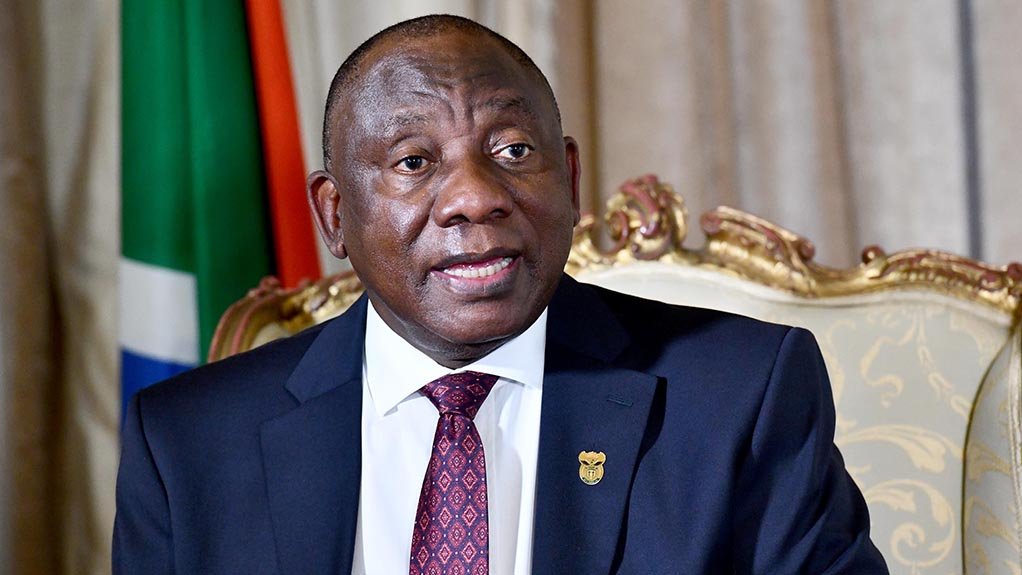
President Cyril Ramaphosa has emphasised the importance of improving South Africa’s basic education system to drive social and economic development. In his weekly letter to the nation, he highlighted the critical role of science, technology, engineering, and mathematics (STEM) education in promoting economic growth, job creation, productivity, and competitiveness.
“Education is a powerful tool to break the cycle of poverty, uplift communities, and foster a more equitable society,” Ramaphosa said. He noted that the country’s education system must prepare learners for employment in a knowledge- and technology-based global economy.
Ramaphosa welcomed the Department of Basic Education’s efforts to expand technical and vocational pathways in high schools, describing such programmes as essential for preparing young people for occupations in high demand. He added that even in industrialised economies, technical and vocational training is recognised as a strong pathway to employment and entrepreneurship.
Citing the World Bank’s recent South Africa Economic Update, Ramaphosa noted that basic education is a key driver of inclusive growth and called for reforms prioritising foundational learning, literacy, and numeracy skills.
The President also emphasised the importance of quality Early Childhood Development (ECD), which he said promotes social equality. “Children from poor families benefit most from access to ECD. Quality early education improves transitions into high school, reduces repetition and dropout rates, and enhances overall academic performance,” he explained.
Ramaphosa recently attended the Basic Education Sector Lekgotla, where discussions focused on realigning the curriculum, strengthening foundational learning, enhancing teacher training, and expanding ECD support.
He highlighted the Basic Education Laws Amendment Act, which now makes Grade R, the reception year before Grade 1, compulsory. The Act aims to better prepare young children for formal schooling, developing early literacy, numeracy, and social-emotional skills critical for cognitive development.
“Children who attend quality pre-primary programmes tend to have larger vocabularies, better number awareness, stronger perceptual and social skills, and greater curiosity,” Ramaphosa concluded.
