

South Africa’s food security has shown modest progress, according to the latest Shoprite SA Food Security Index released on Thursday.
The Index rose to 56.5 in 2024, up from 44.9 in 2023, indicating an improvement but still below the 2019 score of 65.8, when hunger levels were significantly lower.
While Shoprite and civil society groups welcomed the improvement, they warned that hunger and malnutrition remain deeply entrenched challenges across the country.
Shoprite’s chief sustainability officer, Sanjeev Raghubir, said the findings offer “a glimmer of cautious optimism,” but hunger continues to affect millions of South Africans, including at least one in ten children.
“This index is designed to monitor the country’s progress in addressing hunger and to close the significant research gap that exists on this critical issue,” Raghubir said.
He explained that the Index measures food security based on four key factors: food availability, economic and physical access, diet diversity, and stability. He added that price remains the single biggest influence on consumer food choices.
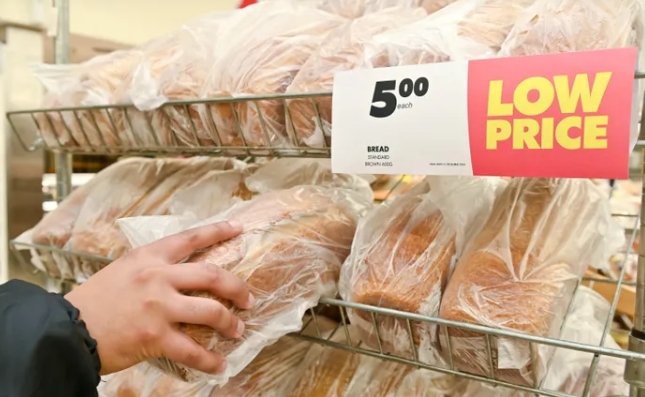
Raghubir noted that Shoprite’s efforts to contain prices contributed to the improvement, saying: “In the 2025 financial year, our prices increased by only 2.3%, and over 13,300 products in our stores were cheaper than in the previous year.”
Civil society groups echoed the findings but cautioned that the progress has not yet brought real relief to the poorest households.
KwaZulu-Natal regional manager at Black Sash, Evashnee Naidu, said that while some studies show a decline in food prices for certain products, many families remain trapped in food insecurity.
“Households with little to no income or relying solely on social grants have to choose what they buy and when they buy as it is linked to the value of their grant,” Naidu said. “This results in bulk buying and not necessarily the most nutritious of foods.”
She added that poor nutrition worsens chronic health conditions, leaving many families struggling to cope.
Siyanda Baduza, a researcher with the Basic Income Project at the Institute for Economic Justice, said the improvement aligns with the latest General Household Survey, which also showed a slight uptick in food security.
However, he said the overall situation remains dire. “Around one in four households do not have consistent access to nutritious food, and many of these are female-headed households. Food insecurity in South Africa is largely a problem of income poverty, as the country is food-secure at a national level — meaning we produce enough food, but not everyone can afford it,” Baduza explained.
Mervyn Abrahams, director of the Pietermaritzburg Economic Justice and Dignity Group, said stagnant wages and high unemployment continue to drive food insecurity.
“The rise in food prices has and will continue to impact food insecurity in the country,” Abrahams said. He added that low-income earners lack access to land, water, and other tools that could help families grow their own crops and reduce hunger.
Aliya Chikte, project officer at the Alternative Information and Development Centre, criticised the Social Relief of Distress (SRD) grant for being inadequate to meet basic nutritional needs.
“Even if SRD recipients lived exclusively on subsidised R5 meals, millions of people would still not be able to afford to feed themselves for the whole month,” Chikte said.
“While Shoprite points to minor improvements in reducing hunger levels, the national hunger crisis is still undeniable — 155 children died from malnutrition in just six months this year. This is a direct result of unaffordability, creating a triple burden of malnutrition where stunting and wasting coexist with obesity.”
