

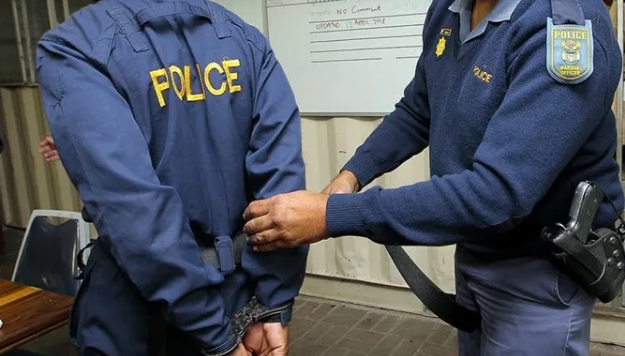
Rampant corruption within the South African Police Service (SAPS) is undermining public confidence, weakening community policing structures, and making crime prevention nearly impossible, according to criminologists, community police forums (CPFs), and residents across the country.
Residents and CPF members say corruption among police officers has reached crisis levels, with some officers accused of collaborating with criminals, taking bribes, and ignoring reported cases.
“Corruption is rife within the police,” said Rosina Mosehla from Soweto. “We no longer feel safe because the people who are supposed to protect us are demanding money from us. The CPFs are trying, but the corrupt police make it impossible for them to do their work.”
South Africa has over 1,100 police stations, but community leaders say corruption has become entrenched in many of them.
In Gauteng, Thokozani Jacob Masilela, chairperson of the provincial CPF board, said police corruption has “overflown” into community safety structures.
“Corruption of law enforcement agencies, including police and metro police officers, has created a situation where corruption has overflown,” Masilela told IOL News.
He explained that in Johannesburg Central and Hillbrow, officers often demand bribes from undocumented immigrants and unlicensed businesses. In more affluent areas like Sandton and Rosebank, corruption involves “bigger money and bigger dealings.”
“When we report these incidents, some station commanders deny they are happening,” Masilela said. “They say it’s hearsay, but is it not their job to investigate?”
Masilela also highlighted political interference as a major obstacle, saying some politicians seek to control CPFs, disrupting anti-corruption efforts. “That kind of interference makes it difficult to hold police accountable,” he said.
Residents and councillors said the erosion of trust in SAPS has led to increased vigilantism. Cosmo City ward councillor Lyborn Ndou said, “When the community reports perpetrators, police take bribes, and the perpetrators end up killing the victim. About 85% of police depend on bribes, and the community loses hope in reporting crimes.”
KwaZulu-Natal police commissioner Lieutenant General Nhlanhla Mkhwanazi recently revealed widespread corruption involving senior officers, criminal syndicates, and even members of Parliament and the judiciary.
Criminologists have described SAPS corruption as “elusive and detrimental.” Professor Witness Maluleke from the University of Limpopo said it will take years to address. “It strongly affects community policing because it dents citizens’ confidence and trust,” he said.
Professor Kholofelo Rakubu of Tshwane University of Technology said corruption has fractured the relationship between police and communities. “Community Policing Forums are struggling, and whistleblowers face real threats without robust protection,” she said.
Rakubu warned that criminal syndicates have infiltrated SAPS, compromising investigations and weakening CPFs. She called for stronger whistleblower protection laws and independent oversight mechanisms.
In Limpopo, CPF chairperson Frans Kgasago said all 106 CPFs were active and working with police, but he admitted disappointment after four officers were arrested for a house robbery in Mpumalanga. “It destroys our confidence in them,” he said.
In the Eastern Cape, CPF chairperson Gonavan Buys said corruption has crippled many forums. “When police officers are accused of corruption, it brings lack of trust and doubt. Around half of our CPFs are active but struggling, and 40% are not active at all,” he said.
Western Cape CPF chairperson Francina Lucas described SAPS corruption as “deeply concerning,” adding that it exposes CPF members to serious safety risks and undermines cooperation with communities.
Experts warn that the ongoing crisis threatens the foundation of community policing — a system that depends on trust, transparency, and cooperation between law enforcement and the public.
“Corruption discourages communities from reporting crimes,” Professor Rakubu said. “People fear retaliation or believe nothing will be done. That loss of faith has become one of the biggest barriers to safety in South Africa.”
